

Wellness Care That Supports a Lifetime of Health
We are here to support your pet’s health through every stage of life
What Does a Typical
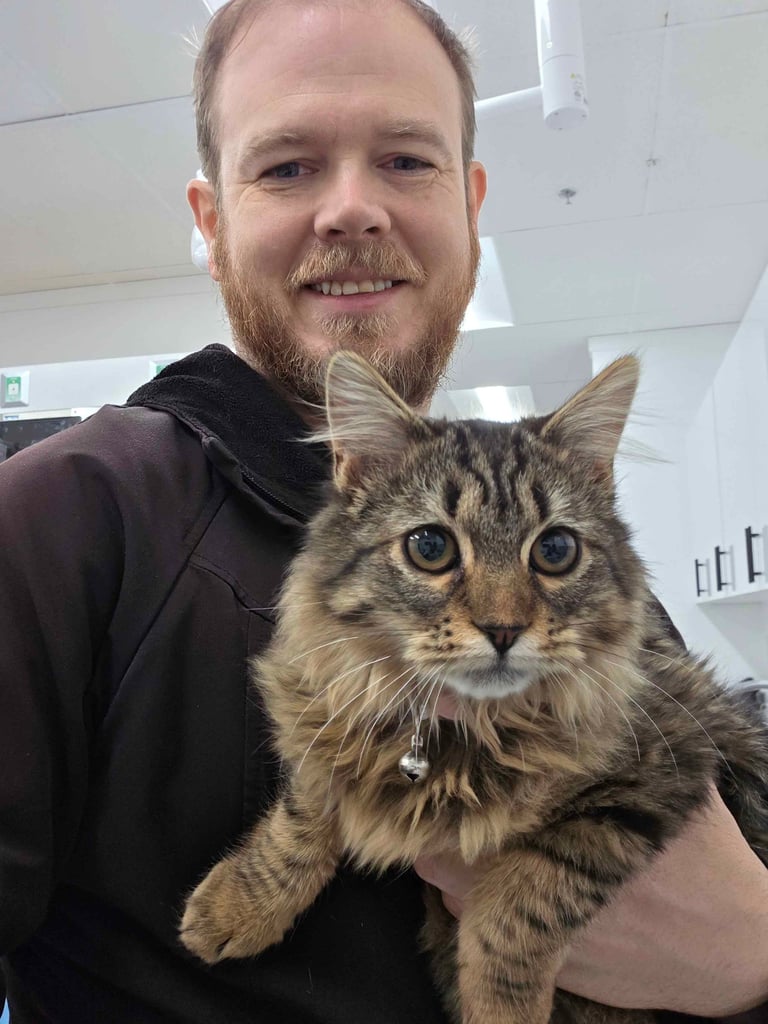

A comprehensive physical exam
Discussion about your pet’s nutrition/diet recommendations
Parasite testing (blood and fecal)
Urine testing (if needed)
Parasite treatments and preventatives
Monitoring weight gain/loss in comparison with previous visit
Here at PetCare Clinic, a complete wellness exam includes:
Exam Look Like?
Spaying and neutering can also count as a wellness service, since they prevent certain diseases and infections from developing in dogs and cats.
Every Pet Needs
Parasites are more than pests; they can spread disease or cause allergic reactions in pets. Common parasitic conditions include:
Heart Disease
Heartworms are transmitted to pets by infected mosquitoes, and travel through the bloodstream to your pet’s heart. They can greatly weaken the heart and even shorten your pet’s lifespan if they are not treated in time.
Lyme Disease
Lyme disease is transmitted by certain ticks, such as the blacklegged/deer tick. This disease can cause swelling and pain in the joints, fever, and a decrease in appetite, and it can be transmitted to humans, too.
Flea, Allergy, and Dermatitis
Some pets develop an allergic reaction to flea bites. This is due to certain chemicals found in flea saliva. Symptoms include severely itchy skin, and possible skin infection caused by licking and scratching.
Full-Coverage Parasite Protection
Intestinal Worms
Hookworms, roundworms, and tapeworms can also wreak havoc on your pet’s internal systems. A fecal test can indicate whether your pet has any of these parasites. We carry a number of high-quality parasite preventatives here at our hospital, and will be happy to recommend the best ones for your pet to keep them parasite- and disease-free.


Lab Testing
The wellness care we provide relies heavily on our in-house lab and diagnostic equipment. We use our in-house lab for age-appropriate testing, including for the following:
CBC – Complete Blood Count
Chemistry
T4 (thyroid)
4DX
and other Diagnostics
We can obtain test results in 10-15 minutes when needed so we can completely assess your pet’s health, diagnose any existing conditions, and work up a treatment plan right away.
Our veterinarians and staff are also highly trained to perform imaging procedures including ultrasound and digital x-rays, as well as electrocardiograms and blood pressure measurements. If you have any questions about our lab testing and other diagnostic services, give us a call at (253) 445-0808!
Urinalysis
Phenobarbital Levels
Heartworm Testing
Tick Testing
Feline leukemia
Feline AIDS
Pancreatitis
Parvo
Pet Wellness Care FAQs
How often should my pet have a wellness exam?
We generally recommend that pets have a wellness exam at least once a year. However, senior pets or those with chronic health conditions may benefit from more frequent check-ups.
What should I bring to my pet’s wellness exam?
If you have not visited us before, you should bring any medical records, a list of your pet’s current medications, and any questions or concerns about your pet’s health. If your pet is due for fecal testing, it’s also helpful to bring a fresh stool sample.
Can pet wellness exams help with behavioral issues?
Yes, you can discuss any behavioral issues with your veterinarian during wellness exams. They can offer advice and training tips and, if necessary, refer you to a behavior specialist.
Are wellness exams different for puppies and kittens?
Yes, puppies and kittens require more frequent wellness exams to monitor their growth and development and to ensure they receive the necessary vaccination boosters and preventatives.
Will I get my pet’s diagnostic results during their wellness exam?
It depends on the test. Some results, like those from a physical examination and certain rapid tests, can be provided during the visit. Other tests, such as a urinalysis, may require additional time, and we will contact you once the results are available.
How often should my pet receive parasite prevention treatments?
The frequency of parasite prevention treatments depends on the type of parasite and the product used. Many flea and tick preventatives are administered monthly, while heartworm preventatives are typically given monthly or every six months. Your veterinarian will discuss a schedule based on your pet’s needs.
Are parasite preventatives safe for my pet?
Yes, parasite preventatives are safe when used as directed. Our veterinary team will recommend products that are safe and effective for your pet’s specific needs.
Does my pet need to be on parasite preventatives year-round?
Yes, we recommend that pets remain on parasite preventatives year-round. Parasites can be a threat throughout the year, and consistent prevention ensures your pet stays protected against these risks.
How long will it take to get my pet’s diagnostic test results?
The time to receive diagnostic test results can vary. Some in-house diagnostics can provide results during your visit. Others, such as certain blood tests and cultures, may take several days to a week or longer. If you have questions about a specific test, please ask us!
What are fecal exams, and why are they important for pets?
Fecal exams test for the presence of intestinal parasites such as hookworms, roundworms, whipworms, and tapeworms. Regular fecal testing is essential to check if your pet is free from these parasites.
Get in touch
Clinic Hours
Monday - Friday:
Saturday:
Sunday:
Clinic Hour
8:00 AM - 5:00 PM
8:00 AM - 4:00 PM
CLOSED
Questions about your pet? Call, message, or stop by—compassionate care, fair pricing, and quick service. We’re here when you need us!
© 2026 PetCare Clinic - All Rights Reserved.
Connect with us
Get Social




Subscribe to our newsletter
Enjoy exclusive special deals available only to our subscribers.